
$13.00
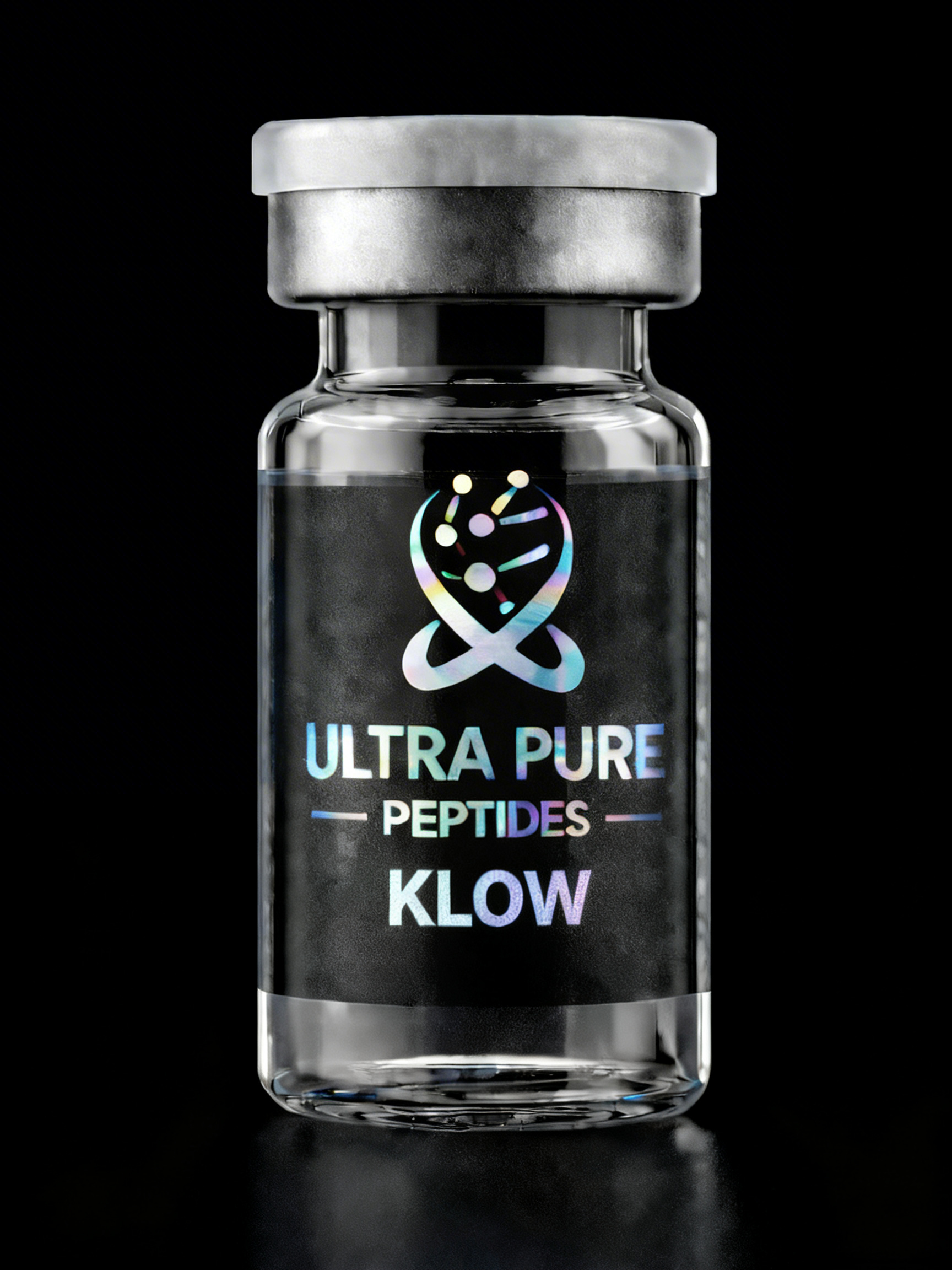
GHK-Cu, BPC-157, TB-500 & KPV Blend – Laboratory Research Overview The GHK-Cu, BPC-157, TB-500 & KPV Blend is a multi-peptide research formulation supplied by Ultra Pure Peptides for use in controlled laboratory environments. This blend is designed to support experimental studies examining tissue-related signaling, cellular communication pathways, inflammation-associated mechanisms, and...
The GHK-Cu, BPC-157, TB-500 & KPV Blend is a multi-peptide research formulation supplied by Ultra Pure Peptides for use in controlled laboratory environments. This blend is designed to support experimental studies examining tissue-related signaling, cellular communication pathways, inflammation-associated mechanisms, and coordinated regeneration processes. By combining four distinct peptide sequences, researchers are able to evaluate how multiple biological pathways interact within a single, standardized research system.
This formulation brings together peptides with complementary research characteristics, allowing laboratories to study coordinated cellular responses rather than isolated mechanisms. Researchers can design broader experimental models while maintaining precise control over study variables. The product is manufactured in the United States at a GMP-certified facility and supplied as a high-purity lyophilized powder to support stability, consistency, and repeatable handling across research protocols.
GHK-Cu: 50 mg
BPC-157: 10 mg
TB-500: 10 mg
KPV: 10 mg
Purity: ≥99% (COA verified)
Manufacturing: USA, GMP-certified facility
Format: Lyophilized powder for laboratory reconstitution
Classification: Research Use Only
Each peptide within the GHK-Cu, BPC-157, TB-500 & KPV Blend supports a specific area of laboratory investigation. When combined, these peptides allow researchers to examine tissue-related signaling activity, inflammatory pathway regulation, and coordinated cellular response across multiple biological systems.
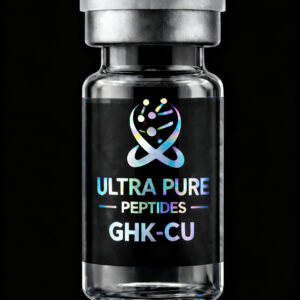
GHK-Cu is a naturally occurring copper-binding tripeptide studied for its involvement in gene expression related to tissue remodeling, matrix signaling, and cellular repair mechanisms.
BPC-157 is a synthetic peptide derived from a gastric protein fragment and is examined in research models focused on angiogenic signaling, fibroblast activity, and structural tissue response.
TB-500, a synthetic fragment of thymosin beta-4, is utilized in studies involving actin regulation, cell movement, and cytoskeletal organization.
KPV, a tripeptide fragment of alpha-melanocyte-stimulating hormone, is researched for its role in inflammation signaling, immune response modulation, and epithelial regulation.
Together, these peptides provide a framework for studying coordinated biological responses within controlled laboratory models.
To preserve material integrity throughout research use, laboratories should store the lyophilized peptide at −20 °C. Following reconstitution, solutions should be refrigerated and used within 90 days. Repeated freeze–thaw cycles should be minimized whenever possible to maintain stability.
The GHK-Cu, BPC-157, TB-500 & KPV Blend is designated strictly for laboratory research purposes only. It is not intended for human or animal use, clinical applications, diagnostic procedures, or consumption of any kind. All research must be conducted by qualified professionals in appropriate laboratory environments and in accordance with applicable regulations and research guidelines.
All orders of $120 or more of eligible
Secure and manage your payments.
Using order tracking number.

To access this website or purchase products, you must:
We reserve the right to deny or revoke access to any user who does not meet these requirements.
All products sold on this website are supplied strictly For Research Use Only.
Products are not for human or animal use. They are not medicines, not dietary supplements, and are not intended for diagnosing, treating, curing, or preventing any disease or condition.
By purchasing from us, you acknowledge and agree that products will be used solely for lawful laboratory research purposes.

You agree not to:
Any violation may result in account termination and possible legal action.
We use Royal mail and DHL to send most of our UK orders.Euro Car Parts reserves the right to use discretion in any circumstance where it makes more sense to use an alternative delivery method.
We currently offer 3 types of delivery service :standard delivery for GB Mainland in approximately 2-4 working days; Super Saver 48 Hour Delivery; Premium Next Day. More on our Delivery Services.
Our cut off point is 4pm, Monday to Friday. Any order placed after 4pm will be processed through our dispatch system the next working day. We currently do not deliver at weekends.
All our delivery charges are pre-set by our courier company. We sell some oversized items which require a specialist courier company to fulfil the delivery, there is an additional charge for these. Also, our courier company consider some surcharge postcodes ‘Out of area’. There is an additional charge for these also. You can find a list of all [oversized items here] You can find a list of all
I understand that all products offered on this website are supplied strictly for research use only and are not for human or animal use.
I acknowledge that these products are not medicines, not dietary supplements, and are not intended for diagnosing, treating, curing, or preventing any disease or condition.
I confirm that I am purchasing these items solely for laboratory or research purposes and that I will comply with all applicable laws and safe handling requirements.
I accept that Ultra Pure Peptides, this website, and its affiliates are not responsible for misuse, improper handling, or storage of these products after delivery, to the fullest extent permitted by law.
I understand that all products offered on this website are supplied strictly for research use only and are not for human or animal use.
I acknowledge that these products are not medicines, not dietary supplements, and are not intended for diagnosing, treating, curing, or preventing any disease or condition.
I confirm that I am purchasing these items solely for laboratory or research purposes and that I will comply with all applicable laws and safe handling requirements.
I accept that Ultra Pure Peptides, this website, and its affiliates are not responsible for misuse, improper handling, or storage of these products after delivery, to the fullest extent permitted by law.
Reviews
There are no reviews yet.